
Article: The Bladder-Friendly Fall Food Guide (Including Halloween Candy)
The Bladder-Friendly Fall Food Guide (Including Halloween Candy)
The Bladder-Friendly Fall Food Guide (Including the Halloween Candy Bowl)
Fall changes what's on the table — soup season starts, pumpkin spice shows up everywhere, and by the end of October there's a candy bowl in every room. If you manage a sensitive bladder, that seasonal shift is worth a second look, because several fall staples land squarely on the list of documented bladder irritants. This isn't about giving up the season. It's about knowing which swaps tend to make it easier.
Why Diet Affects a Sensitive Bladder in the First Place
According to the Interstitial Cystitis Network (ICN), research indicates roughly 90% of people with interstitial cystitis or bladder pain syndrome report some degree of food sensitivity. A frequently cited study published in BJU International examined the role of diet in IC/BPS and found that acidic and caffeinated foods, in particular, are commonly reported triggers. The ICN Food List — built from both published research and two decades of patient-reported data — divides foods into three categories: bladder-friendly, worth trying cautiously, and foods to avoid. It's a useful reference, not a rigid rulebook, since tolerance varies significantly from person to person.
Fall Produce That's Usually Easier on the Bladder
According to the ICN Food List, pears are classified as one of the least bothersome fruits, alongside bananas, blueberries, honeydew, and watermelon. Squash, potatoes, and sweet potatoes are also listed among the least bothersome vegetables. That makes fall produce season fairly forgiving: pears and apples in place of citrus, roasted squash or sweet potato in place of tomato-heavy sides, are both easy, in-season swaps.
Citrus fruits — oranges, lemons, grapefruit, and their juices — appear on the ICN's “most bothersome” list, alongside tomato and tomato products. That doesn't mean an occasional slice of orange will cause a problem for everyone; it means these are the foods most commonly reported to.
The Coffee Question, Regular and Decaf Both
Here's the one that surprises most people: both caffeinated and decaffeinated coffee appear on the ICN's most-bothersome list. That's because the issue isn't only caffeine — coffee's natural acidity plays a role too, and decaffeinated coffee doesn't remove that acidity. The same logic applies to caffeinated and decaffeinated tea, and to most carbonated beverages, including diet and caffeine-free versions.
This doesn't mean coffee is off the table forever. Tolerance is genuinely individual — some people do fine with a small, low-acid cup; others find they need to avoid it, especially during a flare. If you're currently symptomatic, water, milk, and gentle herbal teas are generally the safest starting point.
Reading Labels: Where Triggers Hide
Packaged and processed foods can carry hidden triggers that aren't obvious from taste alone. Citric acid is a common preservative added to items that don't taste acidic at all. Artificial sweeteners — including NutraSweet, Sweet'N Low, Equal, and saccharin — appear on the ICN's most-bothersome list and show up in far more products than most people expect, including some “sugar-free” snacks, gum, and flavored waters. “Natural flavors” is a broad label term that can mask ingredients worth being cautious about if you're sensitive. The habit worth building isn't memorizing every ingredient — it's simply flipping the package before assuming something is safe.
The Halloween Candy Bowl, Decoded
Halloween deserves its own section, because the candy bowl quietly combines several trigger categories at once:
● Sour candy typically gets its tang from citric acid, one of the most consistently reported bladder irritants.
● “Sugar-free” candy frequently substitutes in artificial sweeteners like the ones listed above, rather than being an automatically safer choice.
● Chocolate contains caffeine, generally in smaller amounts than coffee, but still worth factoring in if you're sensitive or currently flaring.
Plain milk or dark chocolate and caramel-based candies tend to be gentler picks than sour or citrus-flavored options, simply because they avoid the citric-acid and artificial-sweetener categories entirely. As with everything on this list, individual tolerance varies — this is a starting point for noticing patterns, not a strict rulebook for Halloween night.
Warm, Low-Acid Meals for Soup Season
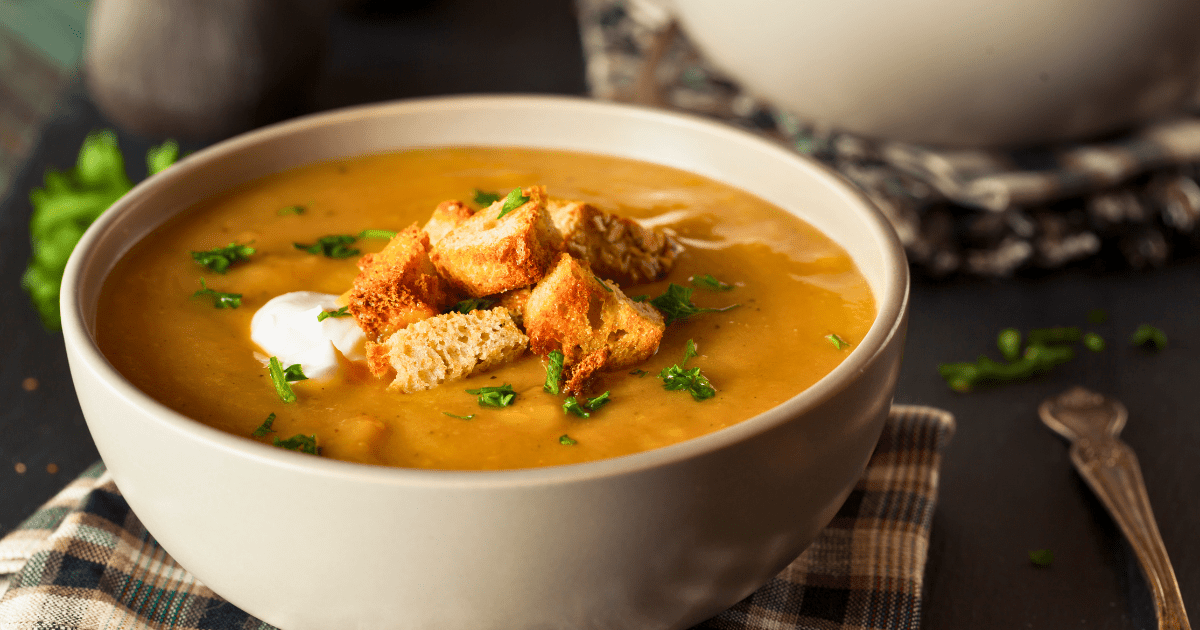
Soup is one of the easiest fall foods to adjust. Most default soup bases lean on tomato, but squash, potato, and bone broth bases deliver the same cozy, warming effect without the acidity. The swap is simple enough that it doesn't require giving up soup season at all — just choosing a different starting point.
How to Actually Find Your Own Triggers
General food lists are a starting place, not a diagnosis. The most reliable way to identify your specific triggers is an elimination diet done in partnership with a doctor or registered dietitian: remove the most commonly reported triggers for two to four weeks, then reintroduce them one at a time while tracking symptoms. This approach avoids two common mistakes — assuming every listed “trigger” applies to you personally, and assuming nothing does.
Alongside diet awareness, some people also look to natural ingredients studied for bladder comfort as part of a broader daily routine. That's the idea behind CystaSolv, which combines eight researched ingredients, including D-Mannose and quercetin, into one daily supplement.* It's meant to work alongside diet changes and medical care, not replace either one.
Frequently Asked Questions
Is there one official “IC diet” everyone with a sensitive bladder should follow?
No. There's a well-documented list of commonly reported trigger foods, compiled by organizations like the Interstitial Cystitis Network, but individual tolerance varies significantly. An elimination diet is the most reliable way to find your own pattern.
Why does decaf coffee still cause problems for some people?
Coffee's natural acidity, not just its caffeine content, is a commonly reported irritant, and decaffeinated coffee retains that acidity. Both regular and decaf coffee appear on food lists of most-bothersome beverages.
Are artificial sweeteners worse than sugar for a sensitive bladder?
Several specific artificial sweeteners are commonly reported triggers, more so than plain sugar itself. This is one reason “sugar-free” isn't automatically the safer option for a sensitive bladder.
What Halloween candy is generally considered a gentler choice?
Plain chocolate or caramel-based candies tend to avoid the two biggest trigger categories in candy — citric acid (common in sour candy) and artificial sweeteners (common in some sugar-free options) — though individual tolerance still varies.
Does CystaSolv replace the need for dietary changes?
No. CystaSolv is intended to support everyday bladder comfort as one part of a broader routine that includes diet awareness and medical guidance, not as a replacement for either.
*These statements have not been evaluated by the FDA. This product is not intended to diagnose, treat, cure, or prevent any disease.